Porto © Stefan Miloš
There is nothing particularly original about wanting to get away from what has already been seen. These days, everyone wants to escape the crowd, each according to their own budget and aesthetic. Some go to Ischia, others find a six-room guesthouse they will later talk about as though they discovered it by accident, while someone else books a restaurant weeks in advance because it is “not touristy”. We reject the itinerary while keeping twenty pins saved on our phones. We want spontaneity, preferably with free cancellation.
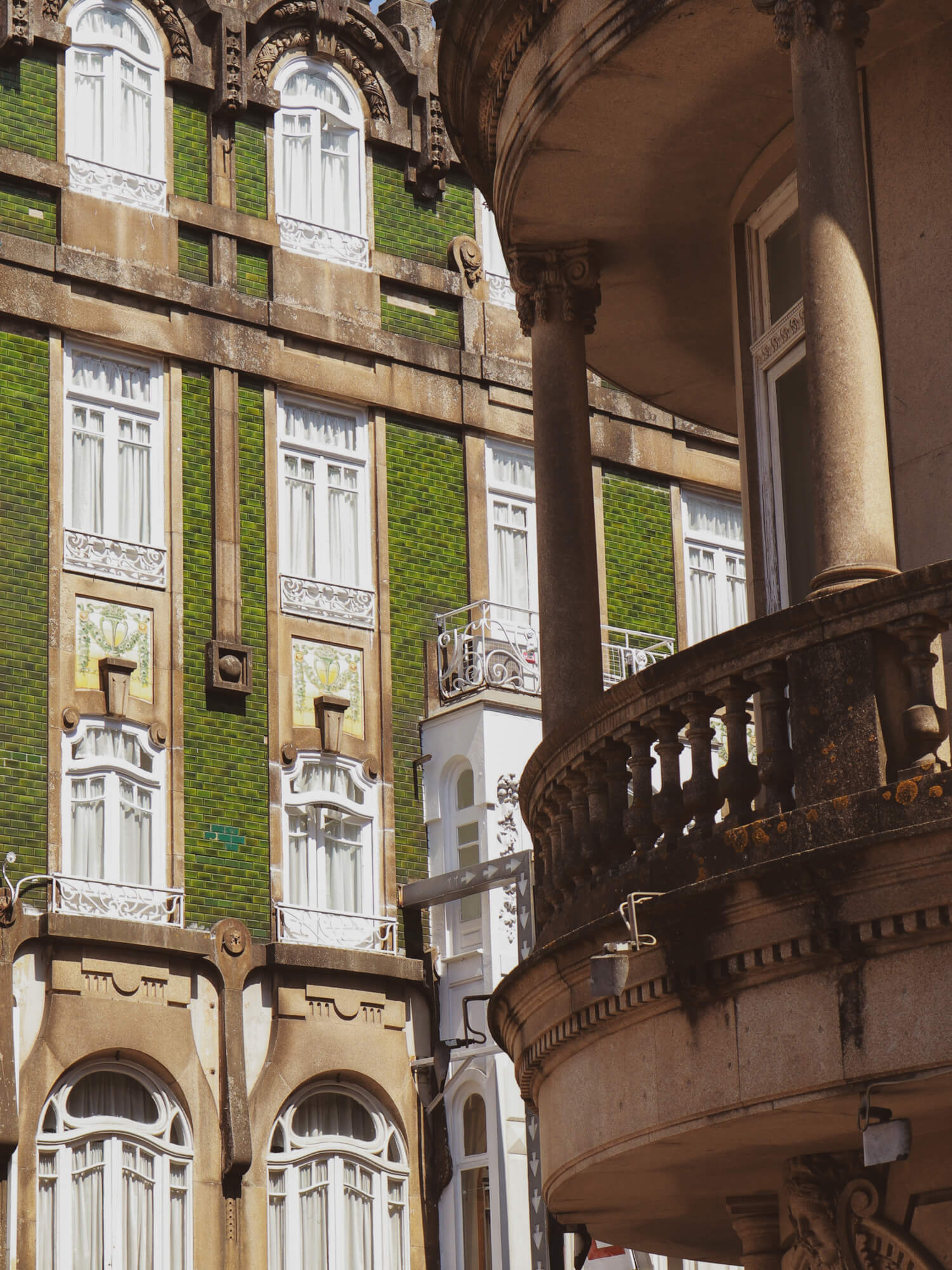
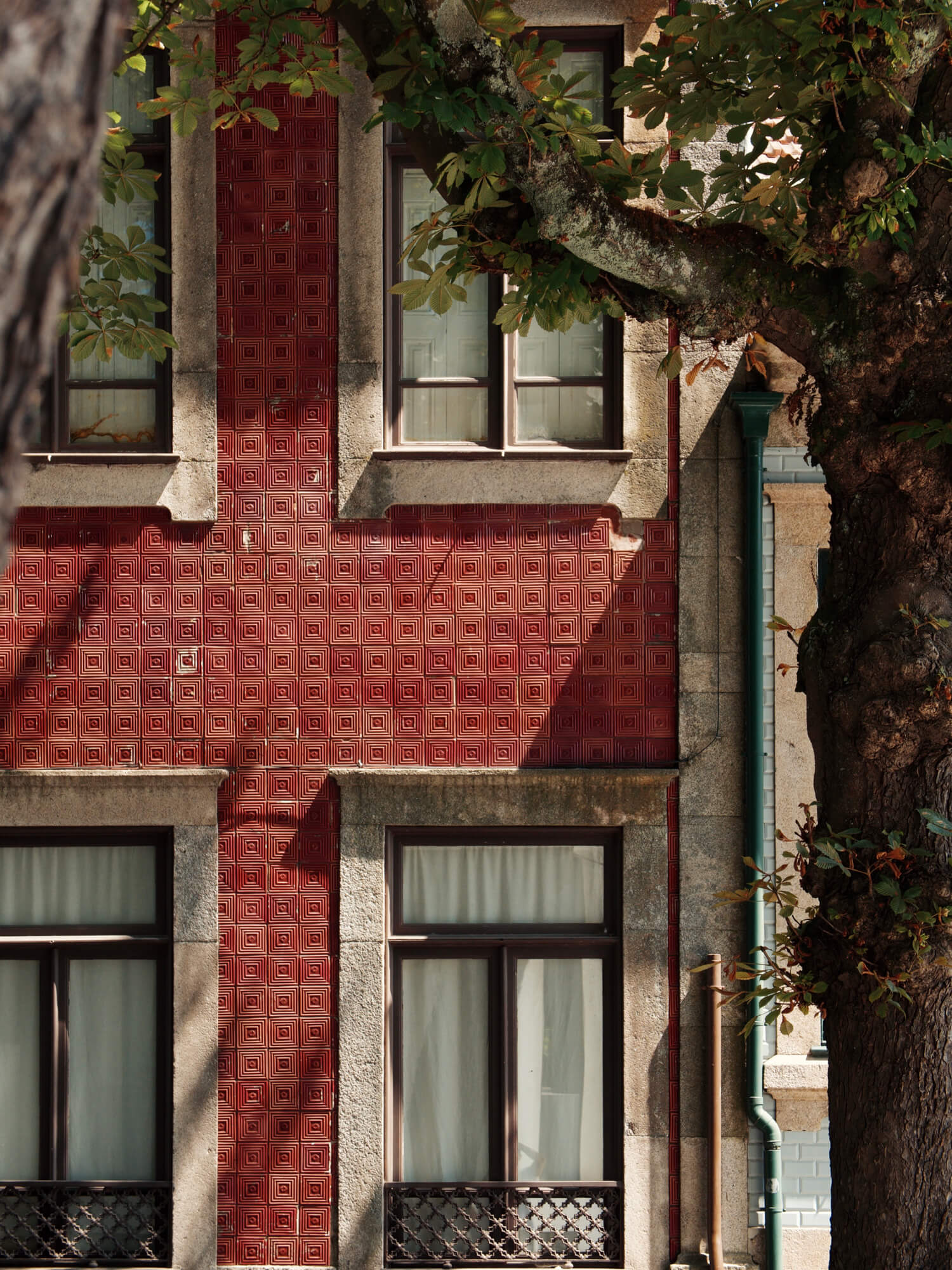
I arrived in Porto carrying precisely the amount of expectation I had supposedly been trying to escape. I wanted a colder ocean, harder light and a city that would not try to seduce me with the same vocabulary used by half the continent. What I found was granite that absorbs moisture, façades that make no apology for the passage of time, Atlantic wind capable of ruining an entire afternoon’s plans within minutes, and the Douro dividing the city just enough to keep changing the way you see it.
We don’t fill a suitcase with just clothes, chargers and the book we probably won’t open. We bring every city we have already seen, every room we have slept in, the films we believed, the magazines we leafed through, the images we saved, the people we travelled with and the thousands of small decisions through which we learned what we consider beautiful, boring, obvious or worth stopping for. We never arrive anywhere with an empty gaze.
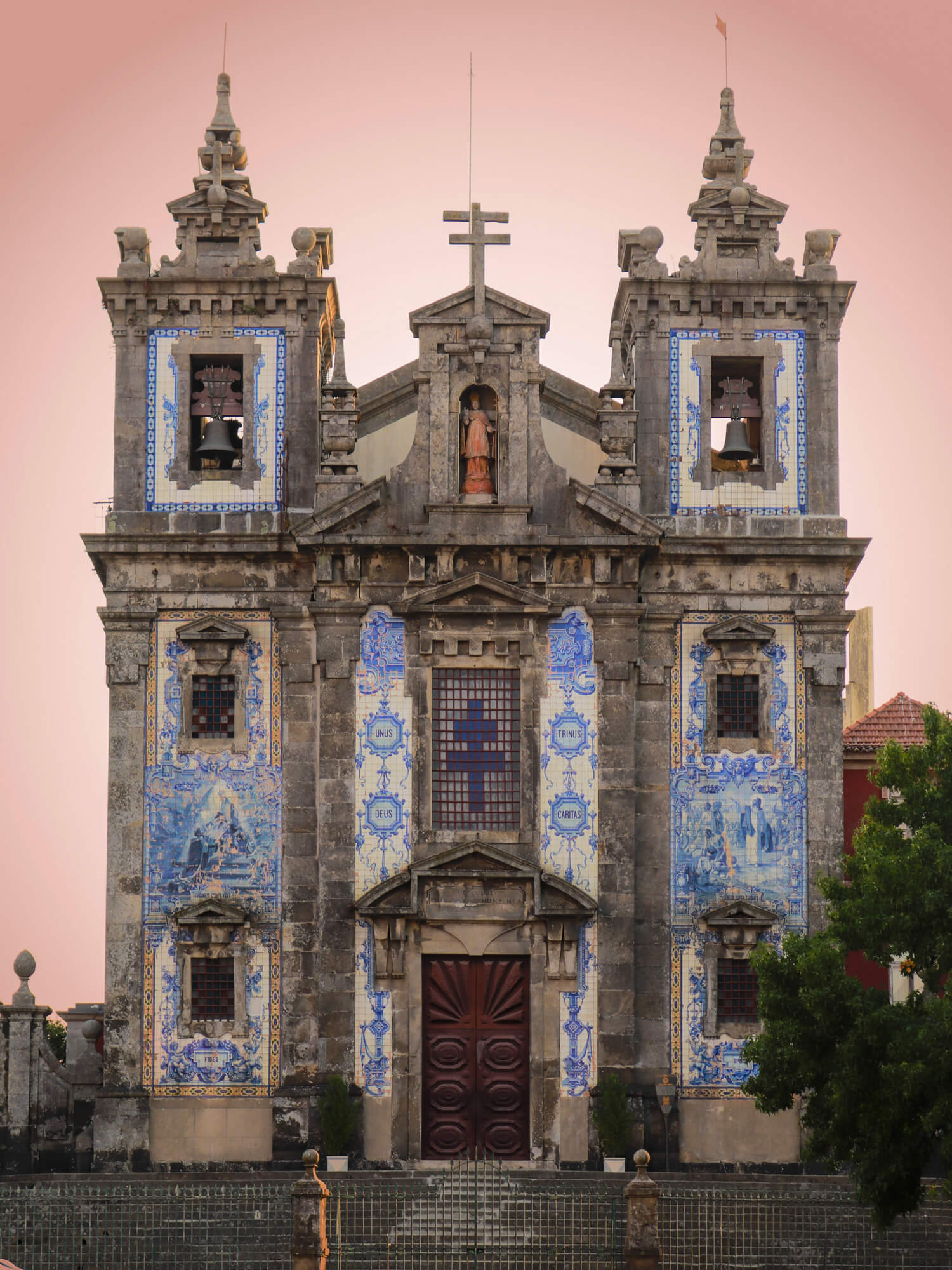
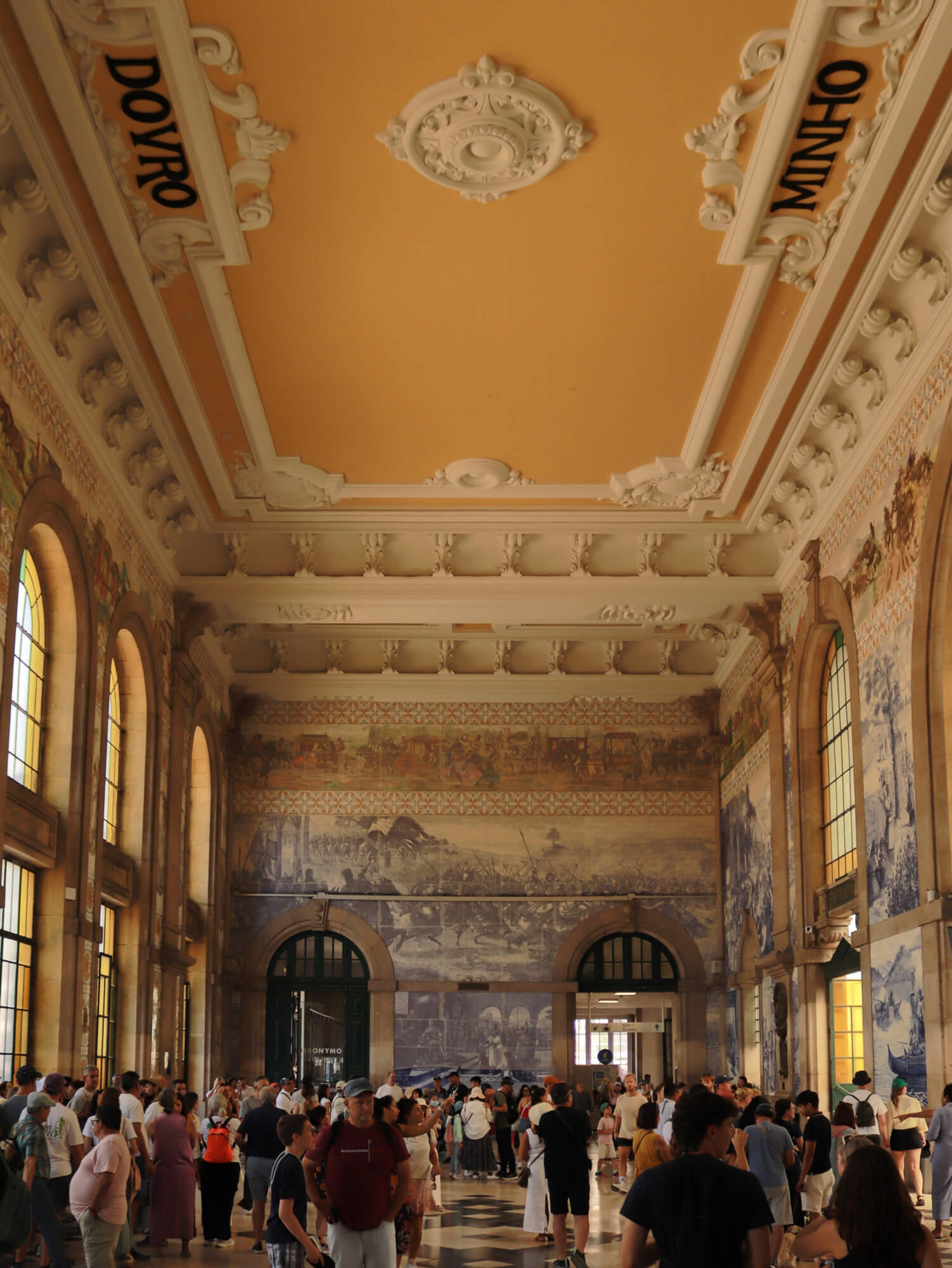
At first you notice the slopes, shadows, iron and river. The gardens, bourgeois houses, extravagant interiors, the red structure of the old market and the wine cellars where time still seems to have physical weight come later. Porto does not exhaust itself in a single view, and that suits it.
Porto © Stefan Miloš

Porto © Stefan Miloš
HOW CLOSE DO WE ACTUALLY WANT TO GET?
ICON Duplo Ribeira, a hotel embedded in the old centre, drops you directly into narrow streets, staircases, damp stone and façades that have learned to age without panicking at the appearance of a crack. Private comfort lasts only as far as the front door. Open it and you step straight into the slope, the smell of the river, the voices, the seagulls and the constant movement that makes old cities seem largely indifferent to our arrival.
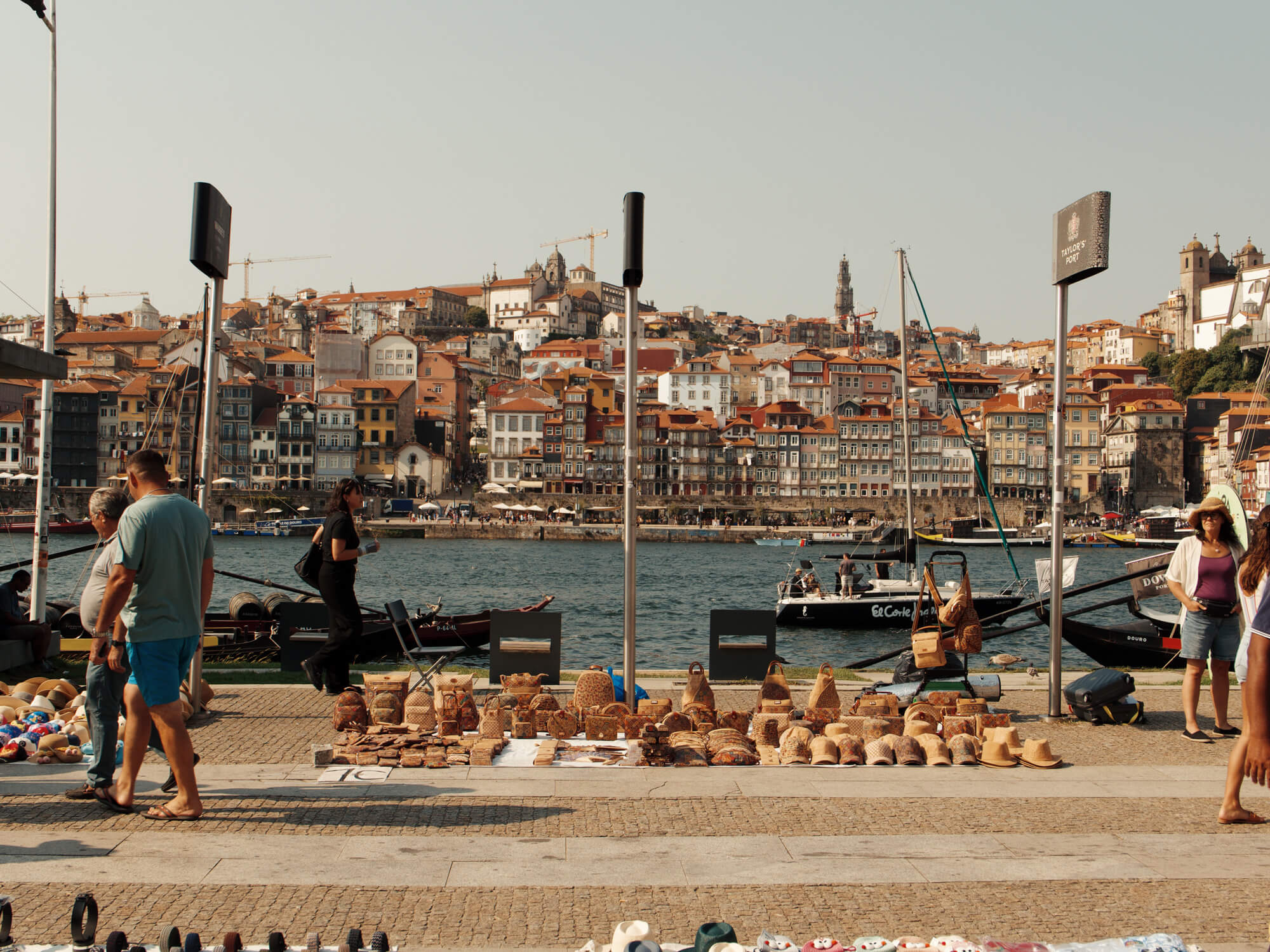
Ribeira leaves very little distance between the observer and what is being observed. What looks like a composed historical picture from the other side of the river is dirtier, louder and more complicated from within. Tourism has been here for a long time, but it has not yet managed to sand down every edge, which suits us perfectly because we have learned to read those edges as proof that we have reached something not entirely designed around our presence.
We all love damp façades when they are not ours. On holiday it is patina. At home we would already be calling a contractor, and I would probably be calling Stefan as well to ask how far the moisture had penetrated the structure. Noise is “street life” until you are trying to sleep, an impractical staircase is history until you are dragging a suitcase up it, and an old façade has soul right up until you are paying for its maintenance.
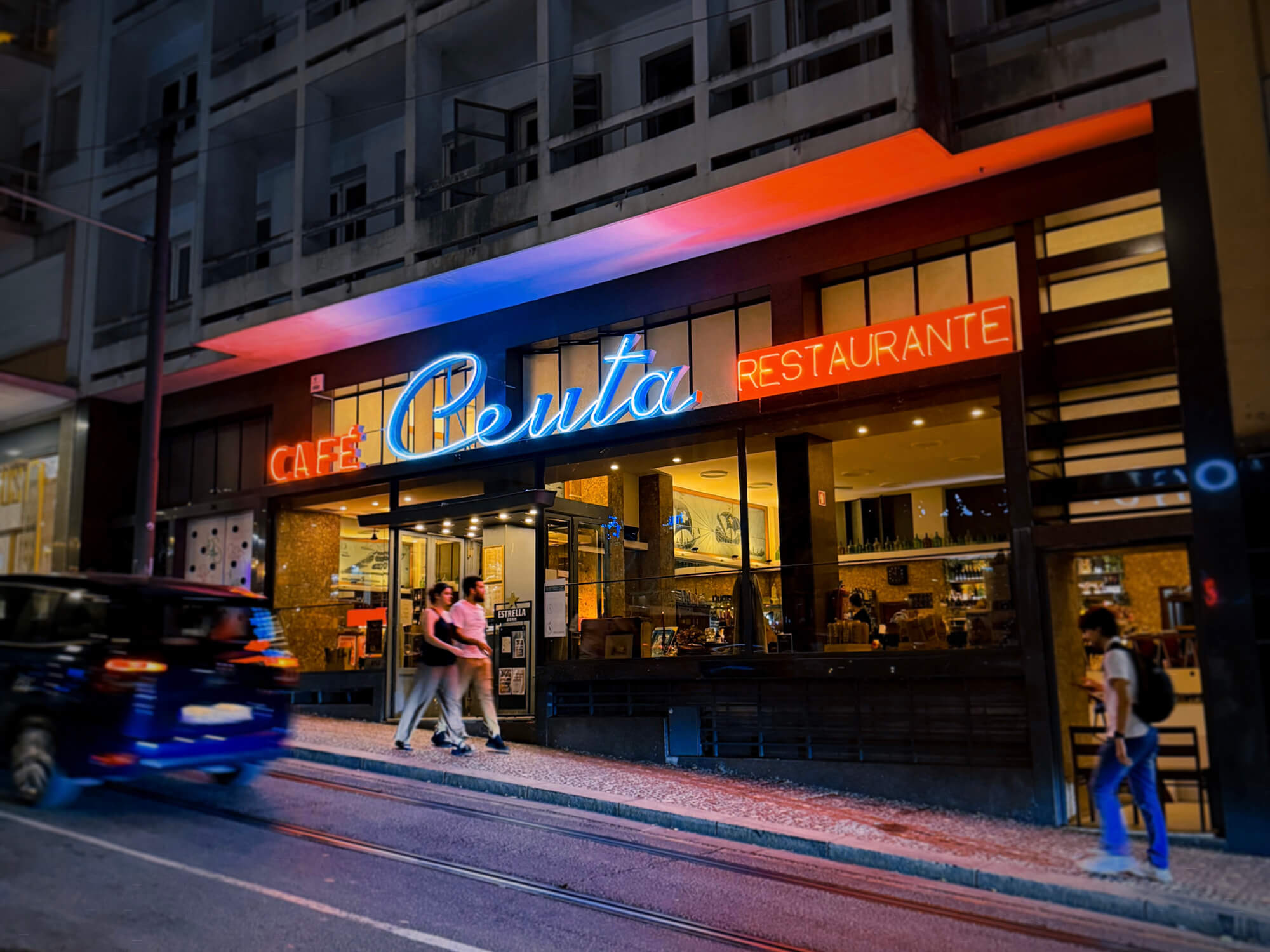
A few days later I moved quite happily to Marquês Garden House, a quieter place in a residential part of the city, with a garden, a pool and silence you can regulate according to need. This is where much of the romance with which we explain travel begins to fall apart. We want to be close to other people’s lives, walk their streets and eat where they eat, then suddenly we want service, a good mattress and enough privacy not to hear those same lives anymore. The hotel industry understood this minor human contradiction long ago and has become extremely good at selling us proximity to local life, provided it comes behind sufficiently well-insulated windows.
Sometimes we are not looking for authenticity so much as sufficiently well-designed conditions in which to believe we have come close to it.
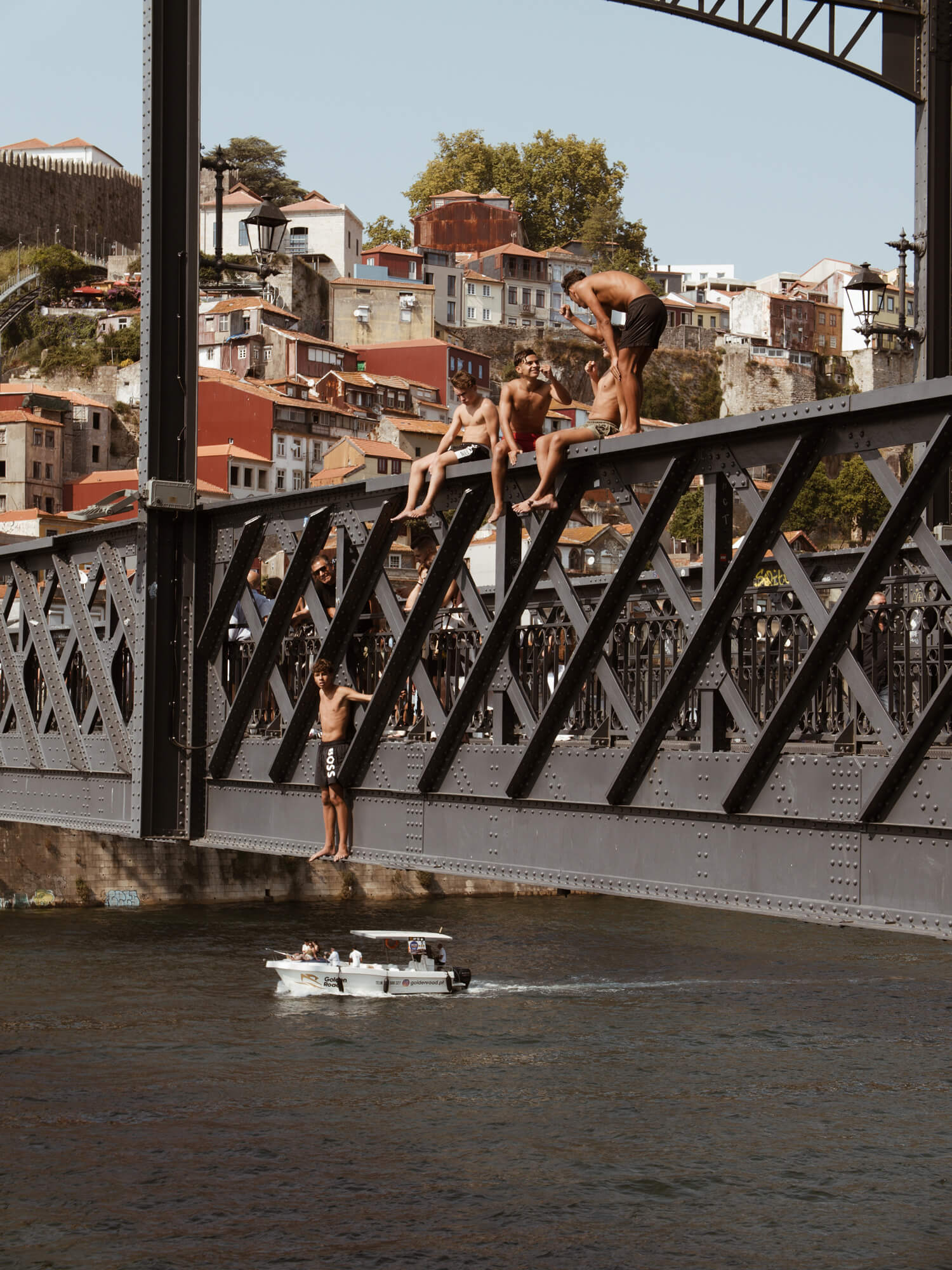
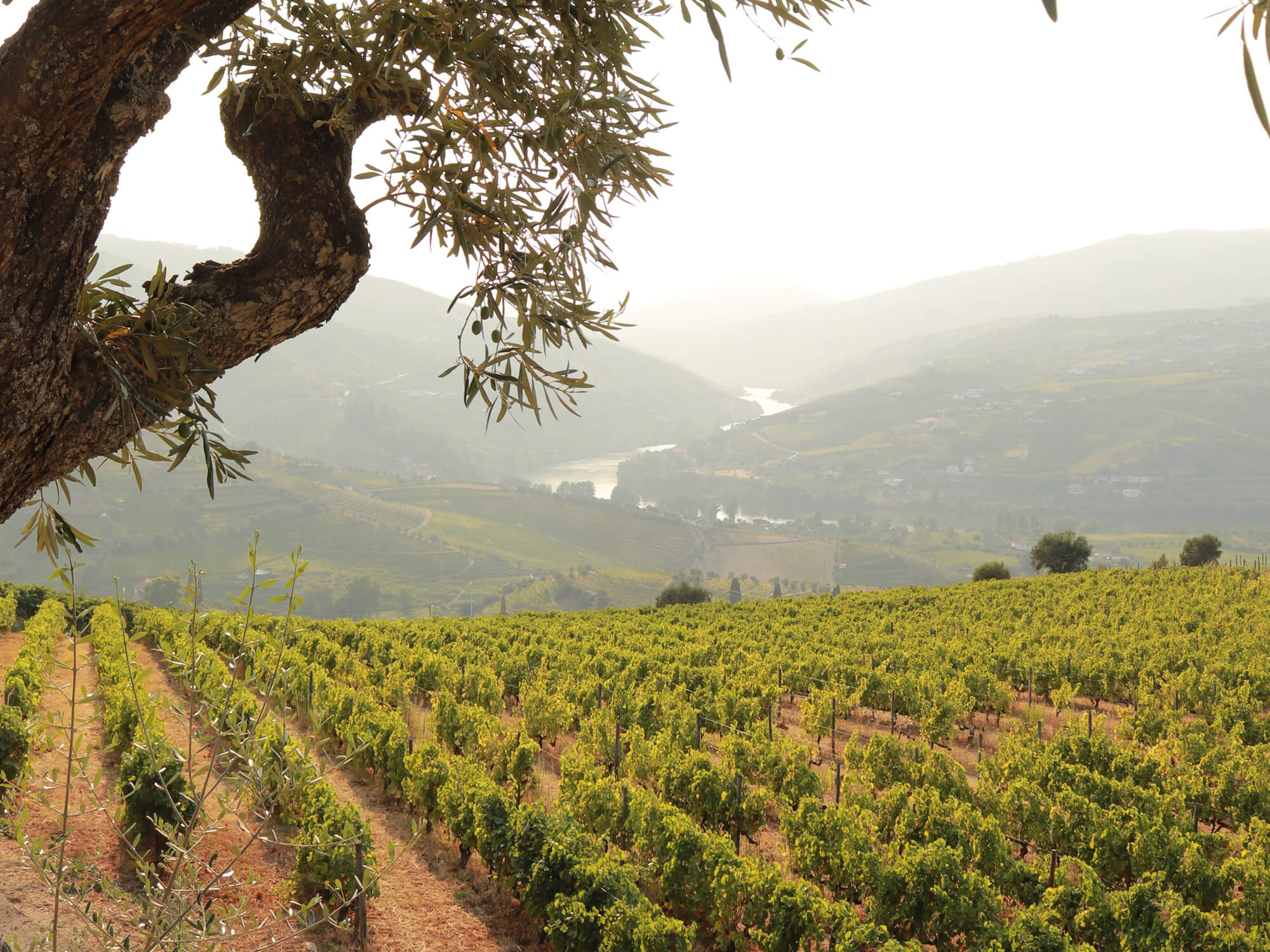
Across the Dom Luís I Bridge, towards Vila Nova de Gaia, begins the world of wine cellars for which Gaia is known: timber, stone, half-light, controlled temperatures and an entire ceremony capable of turning a glass of port into a story about geography, trade and time. I was more drawn to the cellars themselves than to the choreography of tasting. Barrels, stone walls, dense air and the absence of daylight explain Porto’s mercantile character better than many historical narratives ever could.
We have even managed to turn slowness into an ambition. Slow food, slow travel, slow living — an entire vocabulary born from the need to escape the life we ourselves sped up, only to buy it back in a more expensive, purified form. We pay not to rush, reserve our free time and travel considerable distances to relearn how to sit still, then quietly check the time because the next booking is coming up.
No one is really returning to a simpler life. Every now and then, we simply rent a well-designed version of one.
Porto © Stefan Miloš
MONEY ON THE WALLS, PEACOCKS IN THE GARDEN
Mercado Ferreira Borges, the vast nineteenth-century red iron hall that now hosts culture and nightlife, has an industrial severity that resists easy sentimentality. It changed uses, outlived its original function and carried on without being frozen into a monument to the moment in which it was built. I like that no one appears to have explained to it what a “contemporary interpretation of heritage” should look like, a phrase that usually makes me expect beige stone, a sans-serif typeface and an olive tree in an oversized planter.
Nearby, Palácio da Bolsa, the former stock exchange, performs the opposite trick. If Ferreira Borges is the skeleton, its Salão Árabe is excess under absolute control. Gold, carved timber, ornament and Moorish motifs turn the interior into an unapologetic display of power by a merchant class that saw no reason to present its success discreetly.
After enough European palaces, you develop a certain resistance to gilding. History starts to resemble a sequence of expensive ceilings and dynasties begin to blur into interior styles, while here the extravagance carries the confidence of people who made money through trade and then translated it directly into space.
Capital that knows it is capital can be vulgar, but at least here it is completely honest about it.
Porto’s merchants had enough confidence to practically stick their money on the walls. I find that kind of openness far less irritating than contemporary spaces that spend a fortune trying to look as though money had nothing to do with them.
After that much gold, Jardins do Palácio de Cristal, the public gardens above the Douro, work like a palate cleanser. Vegetation, air, peacocks and views of the river shift the city into an entirely different register within minutes. Porto has no need to be consistent for our benefit. We will organise it into a coherent narrative soon enough ourselves.
Porto © Stefan Miloš
WE RUN AWAY, THEN SPEND THE REST OF THE TRIP CATCHING UP
Serralves, the foundation and museum complex in the west of the city, gathers several versions of Porto close enough to begin interfering with one another, which suits them remarkably well. There is Álvaro Siza Vieira’s modernist museum, the extensive park and the pink Casa de Serralves, an Art Deco villa whose elegance has no interest in pretending to be modest.
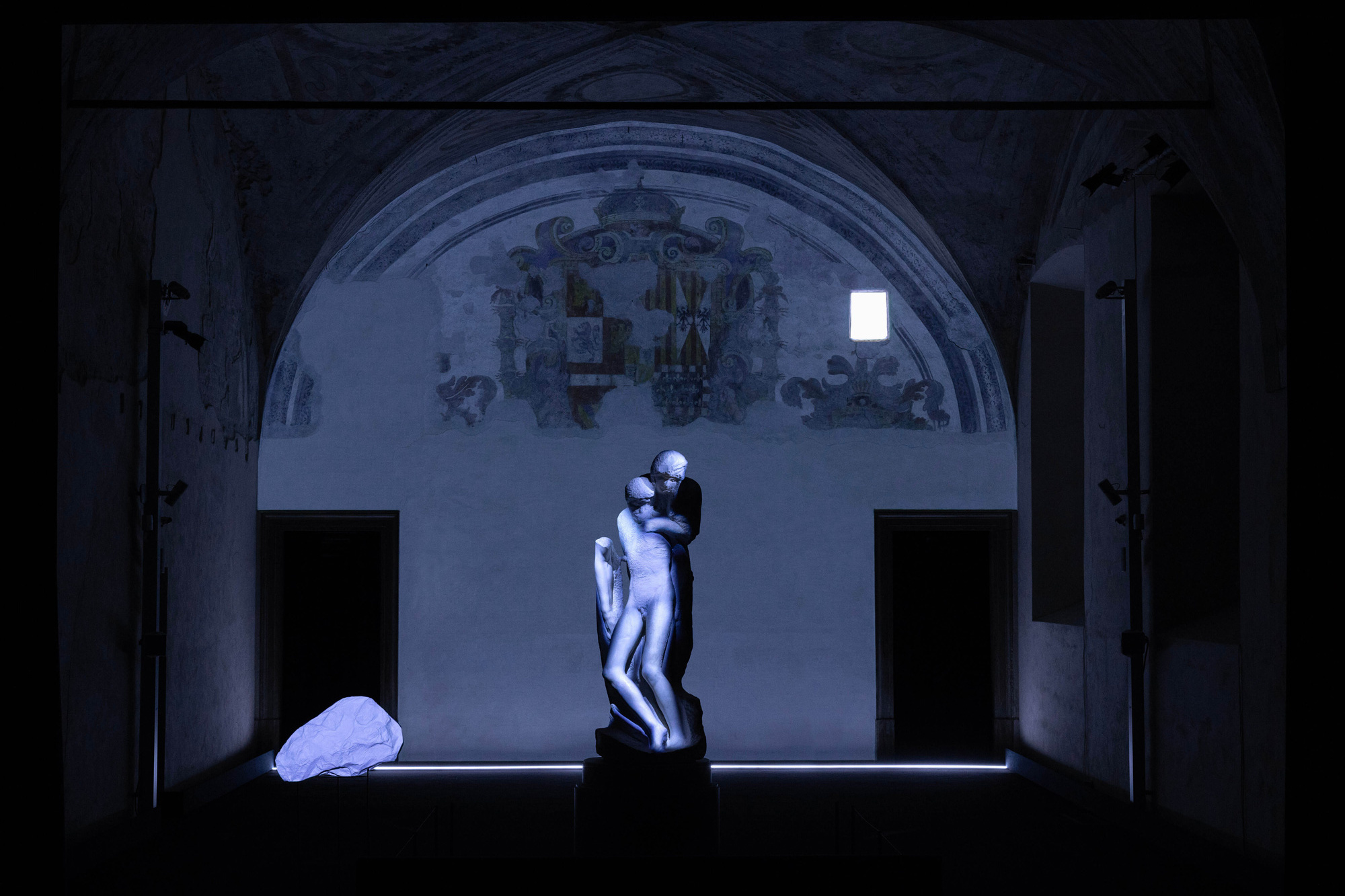
When I was there, Casa de Serralves was hosting Maurizio Cattelan’s retrospective Sussurro, a temporary exhibition spread across the villa and park. In that setting, his work found an ideal stage. Cattelan is at his best when he moves close enough to the system to use its money, its institutions and its language, then shifts one thing and makes everything else look suspicious.
It is difficult to stand in front of Cattelan without thinking of Comedian, the banana taped to a wall that somehow managed to become an artwork, a joke, a financial headline and a global argument over who exactly had been made a fool of. People have spent years debating whether the banana is worth anything, as though the banana itself were ever the thing being bought. What is being paid for is the agreement that something has value: the signature, the institution confirming it, the market accepting it and our irresistible need to prove that we understood the joke better than the person standing next to us.
It is difficult to imagine a more precise object for a trip on which we spend half our time trying to distinguish the “real” from the packaged while happily paying admission to both.
Sometimes the audience reveals more than the work. People stand solemnly in front of objects that mock that very solemnity, the institution validates art that simultaneously provokes it, and the visitor buys a ticket to participate in a critique of a world they have already entered as a guest. Of course I was standing there with them.
Travel operates by a surprisingly similar logic. I can ridicule mass tourism and then spend hours choosing a hotel, insist that I have no interest in lists of must-see places and immediately make my own, only better edited, crave the damp and noise of Ribeira and a few days later disappear behind the garden wall at Marquês. I can talk about slowness in a wine cellar and then check how long I have until the next reservation. Travel is full of contradictions we tidy up only later, when we retell it and try to construct a coherent version of ourselves from the evidence.
We run from the city to nature, from the office to a coworking space on a beach, from social media to a retreatwe found through social media, from tourist destinations towards addresses that become tourist destinations as soon as enough of us find them. We move as though somewhere there is a point sufficiently far from everything familiar where we might finally become someone else, when a change of scenery usually does little more than make what we brought with us easier to see.
These days, simply going somewhere is not enough. It matters that you arrived in a way that proves you are not like everyone else. We once brought home a souvenir to show where we had been. Now we bring back an address no one else has yet.
Porto © Stefan Miloš
CULTURAL CAPITAL FITS PERFECTLY WELL INTO GOOGLE MAPS
WOW in Vila Nova de Gaia, a large cultural and gastronomic complex of museums, restaurants and river views, makes no attempt to hide its commercial nature. After so many spaces that work very hard to look as though no one ever considered whether we might like them, such openness comes as a relief. Wine, food, design, music, rooftops and the city across the river are presented without apology.
After all my attempts to find the “real Porto”, I ended up there, drink in hand, looking at one of the best views of the city. No punishment arrived.
I could have gone a few streets further, found a small café and declared it more valuable simply because it looked less prepared for me. “Hidden”, “local” and slow now belong to the same commercial vocabulary as rooftop, boutique and experience. They are simply marketed to people who prefer to be sold something without feeling as though they are buying.
From the top of WOW, Ribeira, the bridge, the lights and the Douro arrange themselves into a frame so good that resisting it would be childish. Beautiful images become thin only when we mistake them for a sufficient explanation of a place, or assume we have somehow escaped their power simply because we learned to look for a more sophisticated version of the same view.
Porto stayed with me because it solved nothing on my behalf. Tourism is here, capital is here, the fantasy that people somewhere else are living more slowly and better is here too, yet the city contains enough different faces to keep returning me to my own gaze: wet stone in Ribeira, dark cellars, red iron, too much gold, a pink house full of art and the rooftop of a commercial complex with a view I had no reason to reject simply because someone had packaged it very well.
Some things I went looking for. Others I stumbled into. Some I recognised because I already knew what I liked, while others became visible because I had spent years absorbing enough other cities, films, rooms, books, conversations and lives to recognise them when they finally appeared in front of me.
We travel because we want to escape, then cross half the world catching up with everything we already brought along, only to be surprised every time we find it waiting for us there
P.S. All the photographs accompanying this text were taken with a Leica bought during those very days in Porto. In that sense, this essay is also a quiet thank-you to everyone who played a part in putting that camera into Stefan’s hands and in making sure Porto stayed with us not only in memory, but in these frames.
Porto © Stefan Miloš
Porto © Stefan Miloš
Porto © Stefan Miloš